結婚式に携わる職種 選ぶなら専門学校
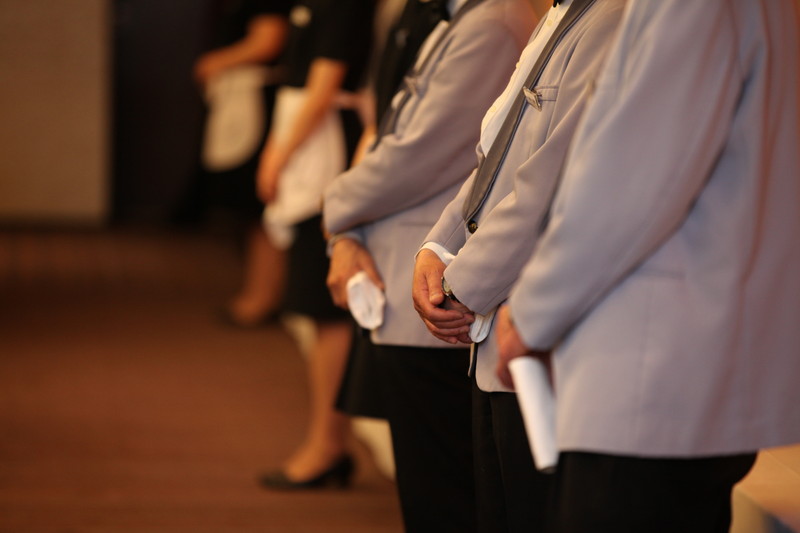
結婚式に直接携わる仕事といえば、ブライダル用のヘアメイクスタッフや、新郎新婦と一緒に結婚式を作り上げていくウエディングプランナー、ブーケの製作者などがいますよね。ホテルで挙式や披露宴をする場合は、ホテルのスタッフを含んでもいいかもしれません。
これらの職種に就きたいなら、まずは専門学校に入学して即戦力として働ける人材になるために自分を高めていくことになります。それぞれの学校ごとに設置されている学科やカリキュラムが違っているので、自分が将来何になりたいのか、どんな形で結婚式に携わりたいのか、よく考えるべきですね。入学前にオープンキャンパスに参加して、自分とその学校の方針があっているかも確認しておきましょう。
ブライダルのヘアメイクは、一人のスタッフが髪型や化粧、ドレスまで飾り付けていかなくてはいけません。美容専門学校のヘアメイク学科にブライダルに特化したコースを選択するか、ブライダル関連の専門学校のスタイリストやヘアメイクの学科に入りましょう。
ホテル業界で働く人材の育成を目指す学校にも、ブライダル業界に特化した学科が併設されています。そこではスタイリストやプランナーの他、予約スタッフやアテンダー、バンケットスタッフなど、多彩な職種の実習があります。
結婚式のプロになるためのスクール選び 職種

これから新生活を二人で始める新郎・新婦に寄り添い、素敵な結婚式を挙げることができるようにする結婚式の仕事は、プランの紹介やプランニング、食事や衣装、引き出物をはじめ、司会や会場関係など幅広く、多くの人が関わってます。結婚式のプロとして、準備を行ったり、挙式や披露宴当日の準備や進行などには多くの職種があり、女性に人気があるウエディングプランナーをはじめ、ヘアメイクや料理人、ドレスコーディネーターなど幅広いことが特徴です。
結婚式のプロとして働きたいという希望がある人の多くが、スクールに通って専門的な知識を身に付けるようになってきています。結婚式は、プランを選んでもらう時代から、新郎・新婦の好みやこだわりを反映させたオーダーメイド感覚の式を挙げる時代に変化しており、会場やケーキ、衣装に引き出物などひとつひとつのことにこだわって、式を作り上げたい人が増えてきています。
こだわりの挙式と披露宴を行うために、頼れるプロがいることはとても大切です。専門的な知識や技術があり、新郎・新婦に寄り添うことができるようになるための最初のステップとしてスクールで学ぶことがおすすめです。実習などがあり、実践的に学ぶことができるスクールを選ぶ人が多く、人気があります。

結婚関連の学校の卒業後に目指せる職種
結婚関連の職種を目指す場合、専門学校で学ぶことが一番の近道です。学校によって内容は違いますが、現場実習や結婚関連のアルバイト先の紹介などを行っているところもあります。実際に現場で働くことで実践力が身につき、自分がなりたい職種について深く知ることができます。
学校を卒業後、目指せる職種は多くあります。まず代表的なのがウェディングプランナーです。顧客の要望を聞きながら結婚式のプランを練り、引き出物などのアイテムの手配を行い、当日の進行を行うのが主な仕事です。顧客との打ち合わせも多く、コミュニケーション能力が求められます。また、式の準備には時間も体力もかかることから、大変ではありつつもやりがいが感じられる仕事と言えます。
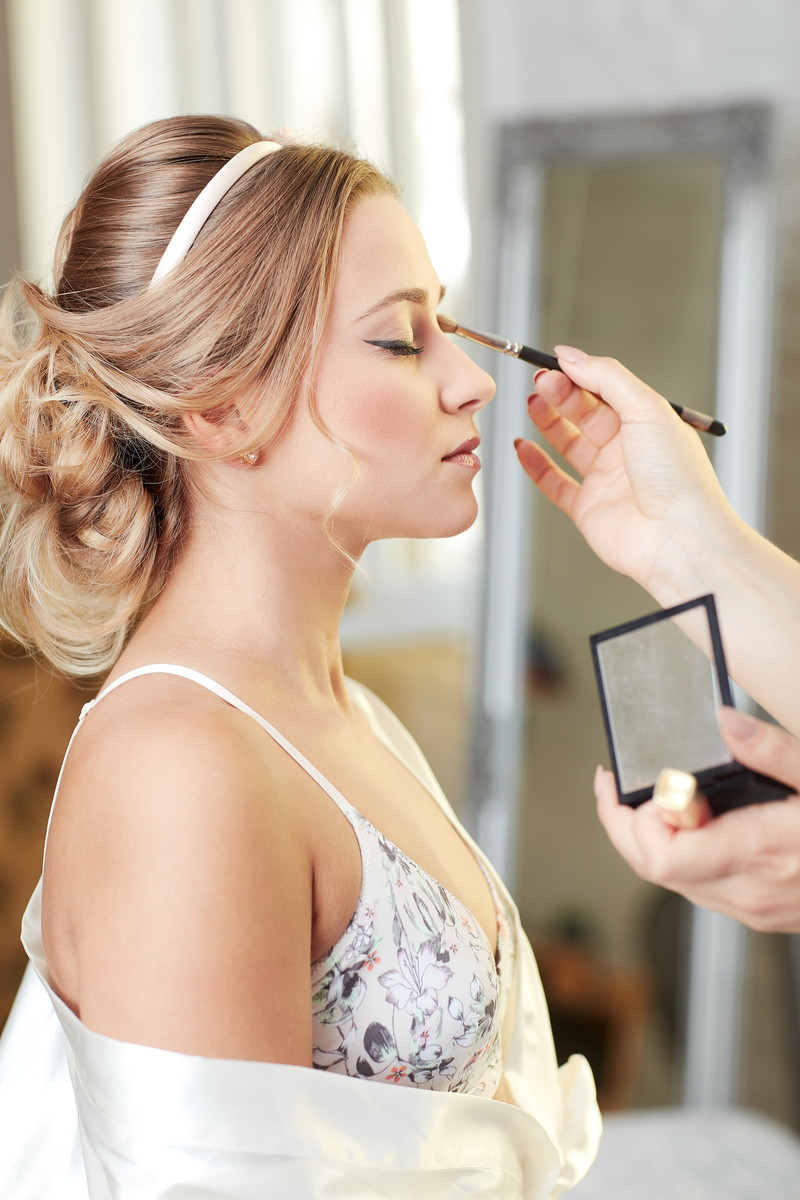
次に挙げられるのがヘアメイクアーティストです。新婦からなりたいイメージをヒアリングし、式当日に最も輝けるヘアメイクを目指す必要があるため、やりがいとプレッシャーのある仕事と言えます。ヘアメイクによって印象も大きく変わるため、技術や美的センスも求められます。
また、式に欠かせないのがカメラマンです。主な仕事は前撮り写真や式当日の写真を撮影することですが、場合によっては披露宴で上映する映像の編集も行います。最高の日を写真に残す重要な仕事と言えます。